


Cycling has become more than just a mode of transportation in Europe—it’s a lifestyle, a commitment to sustainability, and in many cases, the most efficient way to navigate vibrant cities. With dedicated infrastructure, progressive policies, and a strong cycling culture, some European cities stand out as global leaders in bike-friendliness. Whether you’re a traveler eager to explore on two wheels or someone considering a greener daily commute, these cities prove that bicycles can shape urban living in exciting ways.
Bike-Friendly Cities in Europe: Top 15 Destinations for Cyclists
Cycling isn’t just a way to get around in Europe—it’s a culture, a sustainable movement, and a lifestyle embraced by millions. From historic canalside rides to futuristic bike highways, Europe leads the world in creating cities where cyclists feel at home. Here are the top bike-friendly cities in Europe, each offering unique experiences for travelers and locals alike.
1. Copenhagen, Denmark
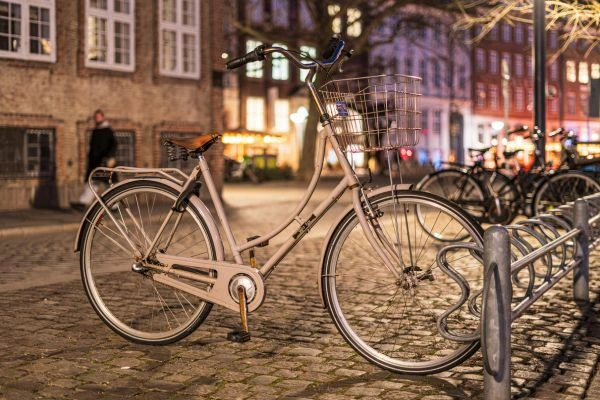
Copenhagen sets the gold standard for cycling with over 390 kilometers of bike lanes and iconic bridges like the Cycle Snake. More than 60% of residents commute by bike, supported by traffic systems designed to prioritize two-wheelers. The city’s commitment to cycling extends to ample bike parking, repair stations, and convenient rental options for visitors. Dedicated traffic signals, bike bridges, and clear signage make navigating safe and efficient. Cycling in Copenhagen is not just practical but a central part of the city’s identity and culture. Whether commuting to work or exploring neighborhoods, riding a bike here is effortless and enjoyable.
2. Amsterdam, Netherlands
In Amsterdam, bicycles outnumber people, making cycling the most natural way to explore the city. Flat terrain, canalside routes, and dedicated lanes allow riders of all levels to navigate safely and easily. Visitors can rent bikes or join guided tours to see the city from a local perspective. Cycling offers unique views of historic architecture, bustling markets, and picturesque bridges. Infrastructure like bike parking hubs and repair stations ensures convenience and accessibility. Amsterdam’s cycling culture seamlessly blends tradition with modern urban mobility.
3. Utrecht, Netherlands
Utrecht is home to the world’s largest bike garage, reflecting its status as a pioneer in bike-friendly urban planning. Smart traffic systems and cycle highways make commuting smooth and efficient for residents. The city emphasizes sustainable mobility while promoting cycling as a primary form of transportation. Public bike parking, repair facilities, and easy rentals make it a convenient choice for visitors. Utrecht shows how thoughtful planning can integrate bikes into everyday life. Cycling here is safe, practical, and a key part of the city’s forward-thinking identity.
4. Strasbourg, France
Strasbourg boasts more than 600 kilometers of cycle routes, making it the top cycling city in France. Its compact old town, pedestrian-friendly streets, and riverside paths create scenic rides suitable for all skill levels. The city prioritizes cyclists in urban planning, ensuring safety and convenience. Visitors can explore historic sites, quaint cafes, and charming neighborhoods on two wheels. Layered infrastructure, including bike lanes and secure parking, supports everyday cycling. Strasbourg proves that combining culture, history, and cycling can make city travel both fun and practical.
5. Berlin, Germany
Berlin’s wide streets, growing bike network, and diverse urban landscape make it an exciting city for cyclists. Innovative projects like the Radbahn convert old rail lines into bike paths, connecting neighborhoods creatively. Cycling culture thrives alongside historical landmarks, street art, and modern architecture. The city continually expands infrastructure to accommodate rising bike use and safety needs. Bike-sharing programs, secure parking, and repair stations make it convenient for residents and tourists alike. Berlin combines practicality, creativity, and culture for a dynamic riding experience.
6. Barcelona, Spain
Barcelona’s sunny climate, 200 kilometers of bike lanes, and Bicing bike-sharing system make cycling both practical and fun. Riders can cruise along beachfront promenades, through the Gothic Quarter, or across bustling neighborhoods. The city encourages sustainable mobility while offering a mix of leisure, culture, and sightseeing. Well-marked lanes, bike racks, and rental options make cycling accessible for locals and visitors. Beachfront rides and architectural tours offer a diverse range of cycling experiences. In Barcelona, cycling provides a scenic and eco-friendly way to explore the city.
7. Malmö, Sweden
Malmö is compact, eco-conscious, and ideal for family and commuter cycling. Flat terrain, cargo bike rentals, and dedicated lanes make riding comfortable and efficient. Its proximity to Copenhagen allows for seamless cross-border cycling adventures. The city supports sustainable transport through public initiatives and bike-friendly policies. Urban parks, scenic waterfronts, and connected paths make cycling enjoyable for all ages. Malmö balances green infrastructure with practical design for everyday riders.
8. Ghent, Belgium
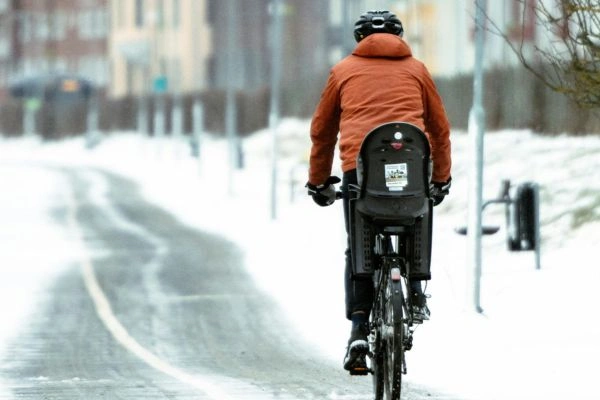
Ghent has transformed its city center into a largely car-free zone, giving priority to bikes and pedestrians. Cycling through medieval streets and along canals offers a unique and immersive experience. Safety, accessibility, and bike infrastructure have been upgraded to encourage everyday cycling. Visitors can explore historic landmarks, cozy cafes, and vibrant markets on two wheels. Layered lanes and bike parking make getting around simple and convenient. Ghent showcases how combining history with modern mobility can create a bike-friendly city.
9. Ljubljana, Slovenia
Ljubljana’s charming old town is mostly car-free, creating a safe and enjoyable environment for cyclists. The city’s bike-sharing program, BicikeLJ, provides easy access to residents and visitors. Compact streets, scenic riverfront paths, and dedicated bike lanes encourage regular cycling. Ljubljana demonstrates that even smaller cities can invest in modern, sustainable transport. Tourists can explore bridges, historic buildings, and parks while locals use bikes for commuting. Cycling here blends practicality, scenic views, and cultural immersion.
10. Vienna, Austria
Vienna offers over 1,300 kilometers of cycle paths connecting historic landmarks, lush parks, and riverside trails. The city continues to expand its network, making cycling increasingly practical for residents and visitors. Paths are safe, well-maintained, and clearly marked, encouraging regular use. Cycling combines sightseeing with exercise, allowing riders to experience the city fully. Bike parking, rental stations, and repair hubs make Vienna accessible for two-wheelers. The city balances cultural heritage with modern urban mobility seamlessly.
11. Paris, France
Paris has reinvented itself as a cycling city with Plan Vélo and the Vélib’ rental system. Protected lanes now cover much of the urban core, making riding safer and more convenient. Cycling provides an efficient way to explore landmarks like the Eiffel Tower and Montmartre. Infrastructure improvements, such as secure bike parking and traffic priority, encourage both residents and tourists to ride. Paris is proving that even historically car-dominated cities can embrace bikes. Urban cycling combines culture, convenience, and eco-friendly transport in the French capital.
12. Helsinki, Finland
Helsinki integrates Scandinavian design with a well-planned cycling network across urban areas, parks, and waterfronts. Long summer days are ideal for leisurely rides along the Gulf of Finland or through Central Park. The city maintains essential paths year-round, supporting cycling even in winter conditions. Infrastructure includes secure bike parking, rental services, and well-marked lanes. Helsinki emphasizes safety, sustainability, and scenic enjoyment for all cyclists. Riding here blends practicality with the beauty of Finland’s urban and natural landscapes.
13. Seville, Spain
Seville has become a European success story with 180 kilometers of dedicated bike lanes connecting historic neighborhoods, landmarks, and modern districts. Flat terrain and mild weather make cycling practical throughout the year. The city’s Sevici bike-sharing system and rental options make bikes widely accessible. Cycling allows residents and tourists to explore the Santa Cruz neighborhood, Plaza de España, and riverside paths. Public investment and community support have transformed Seville into a bike-friendly urban environment. The city demonstrates how strategic planning can reshape mobility and culture.
14. Basel, Switzerland
Basel’s flat geography, wide streets, and riverside paths make cycling both practical and scenic. Riding along the Rhine provides views of historic bridges, architecture, and the iconic Münster Cathedral. Cross-border routes connect Switzerland, Germany, and France, offering extended cycling opportunities. Infrastructure such as bike rentals, parking, and repair stations make exploring the city convenient. Basel integrates cycling into daily life, tourism, and cross-border adventures. The city blends culture, scenic beauty, and accessibility for two-wheelers.
15. Bruges, Belgium
Cycling through Bruges is like pedaling through a fairytale, with cobblestone streets, canals, and medieval buildings. The compact, mostly flat city center allows for safe and relaxed rides. Scenic routes extend into the Flemish countryside, leading to charming villages, windmills, and farmland. Bike rentals and guided tours make exploring accessible for all visitors. Historic landmarks, markets, and waterfront views enhance the cycling experience. Bruges demonstrates how cycling can elevate both sightseeing and local exploration.
Why These Cities Stand Out
What makes these European cities shine isn’t just the number of bike lanes—it’s the vision behind them. Each city has recognized that bicycles can be more than just a convenient mode of transportation; they can also reshape urban living. Copenhagen, for example, has become world-renowned for its innovative cycling infrastructure, including elevated bridges like the Cycle Snake, designed explicitly for two-wheelers. This kind of forward-thinking investment not only improves traffic flow but also elevates the cycling experience, making it efficient, safe, and enjoyable.
Meanwhile, cities like Seville and Paris demonstrate that change can occur rapidly with the right political will and community support. In less than two decades, Seville has transformed itself from a car-centric city into a southern European cycling model, boasting hundreds of kilometers of bike paths. Paris, once notorious for heavy traffic, is now embracing a cycling revolution through initiatives like Plan Vélo, turning boulevards into safe, green arteries for cyclists. These shifts demonstrate that cycling isn’t exclusive to flat, northern cities—it’s adaptable to diverse geographies and lifestyles.
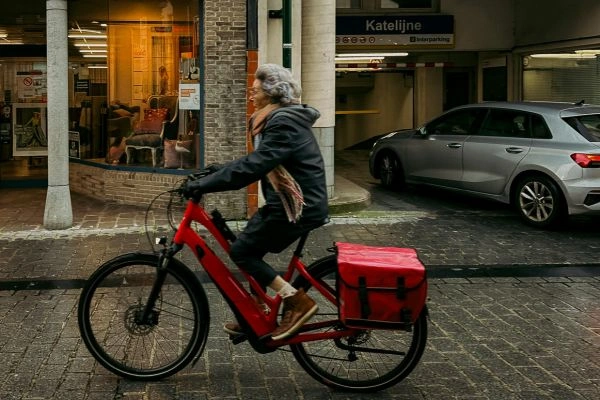
Beyond infrastructure, there’s also a cultural dimension. In Amsterdam or Ghent, bikes aren’t just vehicles—they’re part of everyday identity. They reflect values of sustainability, community, and freedom. Families ride together, students commute to universities, and professionals head to offices on two wheels. Cycling is woven into the daily rhythms, shaping how residents interact with their cities and with one another. This balance of practicality, cultural acceptance, and urban design creates healthier, cleaner, and more human-centered environments. Ultimately, these cities stand out because they treat bicycles not as alternatives to cars, but as central to the future of city living.
Discover Europe Up Close
Travelers looking to experience these cities should take advantage of bike rental services, guided cycling tours, and well-marked paths. Many cities also offer cycling maps and apps to help riders navigate safely and efficiently. Whether you’re pedaling through Amsterdam’s canals, coasting along Barcelona’s beachside paths, or discovering hidden corners of Berlin, cycling allows for a slower, more intimate exploration of European life.